The efficiency of a home is often measured by how well it retains heat during the winter and remains cool during the summer. While many homeowners focus on windows and insulation, the roof is actually the primary barrier against thermal transfer.
Engaging with professional residential roofing services is one of the most effective ways to lower your carbon footprint and reduce monthly utility expenses.
By upgrading to modern materials and ensuring proper installation, you can transform your house into an energy-efficient sanctuary.
1. Utilizing Reflective Cool Roof Technology
Traditional dark shingles tend to absorb a massive amount of solar radiation, which transfers heat directly into your attic and living spaces. Modern residential roofing options include cool roof technology, which uses specialized granules to reflect sunlight.
By reflecting a higher percentage of the sun’s rays, these materials keep the surface temperature of the roof significantly lower. This reduction in heat absorption means your air conditioning system does not have to work nearly as hard to maintain a comfortable indoor climate.
2. Enhancing Attic Ventilation Systems
A roof is more than just a surface; it is a complex system that requires proper airflow. Without adequate ventilation, heat and moisture become trapped in the attic, creating an oven-like effect that penetrates the ceilings of the rooms below.
High-quality residential roofing projects incorporate intake and exhaust vents that allow hot air to escape naturally. This constant cycle of fresh air prevents heat buildup in the summer and minimizes the risk of ice dams during the winter, ensuring year-round efficiency.
3. Integrating Superior Insulation Materials
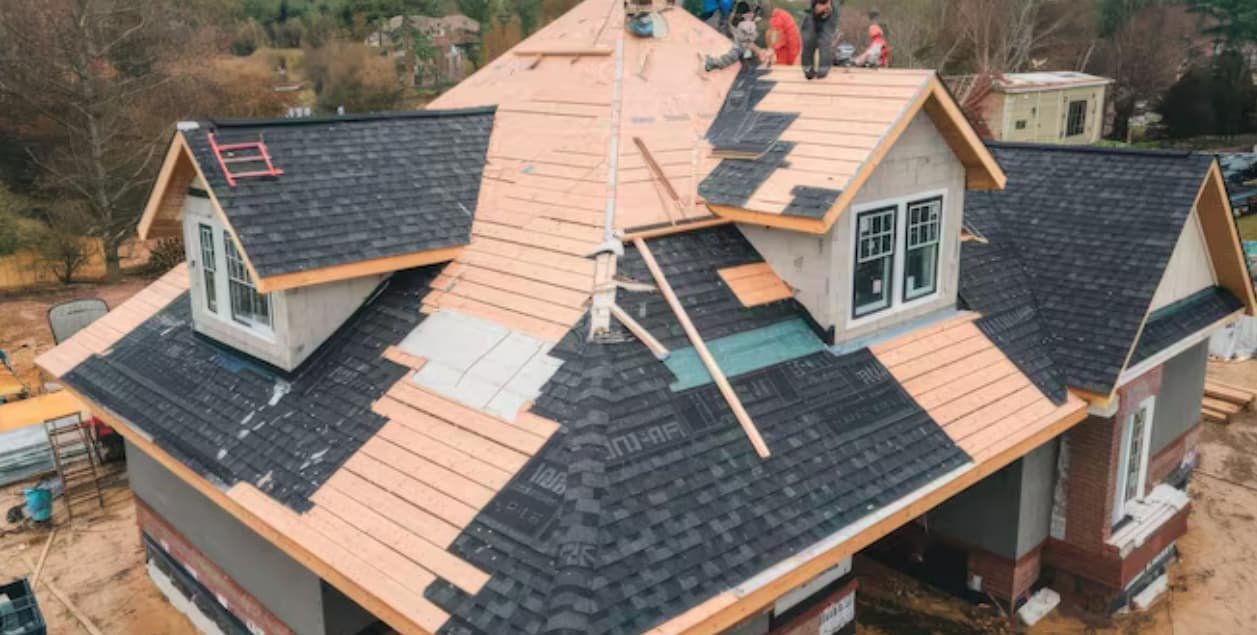
When a roof is replaced or serviced, it provides the perfect opportunity to assess and upgrade attic insulation. Professional residential roofing contractors ensure that the thermal envelope of the home is sealed tightly.
By combining high-performance shingles with thick, modern insulation, you create a dual layer of protection.
This setup prevents expensive conditioned air from leaking out of the top of the house, which is where the majority of energy loss typically occurs in older properties.
4. Preventing Costly Air Leaks and Gaps
Even the smallest gaps around flashing, chimneys, or skylights can lead to significant energy waste. Over time, weather-induced wear and tear can create microscopic openings that allow drafts to enter and climate-controlled air to escape.
Comprehensive residential roofing maintenance involves sealing these vulnerable points with durable, weather-resistant materials. Eliminating these leaks ensures that your HVAC system operates at peak efficiency without wasting energy on outdoor air.
5. Selecting Sustainable and Durable Materials
The choice of material plays a vital role in how well a home manages energy. Options such as metal, clay tiles, or slate have natural thermal properties that far exceed basic asphalt shingles. These materials are not only better at regulating temperature but also boast much longer lifespans.
Choosing sustainable materials during an upgrade reduces the long-term environmental impact by decreasing the frequency of replacements and the amount of waste sent to landfills.
6. Reducing the Strain on HVAC Systems
The ultimate goal of an energy-efficient roof is to provide a stable internal environment. When your roof does its job effectively, your heating and cooling units do not need to run constantly to compensate for external temperature swings.
This reduced workload extends the life of your mechanical systems and lowers maintenance costs. By investing in the right roofing solutions today, you are securing a more affordable and sustainable lifestyle for the future.