
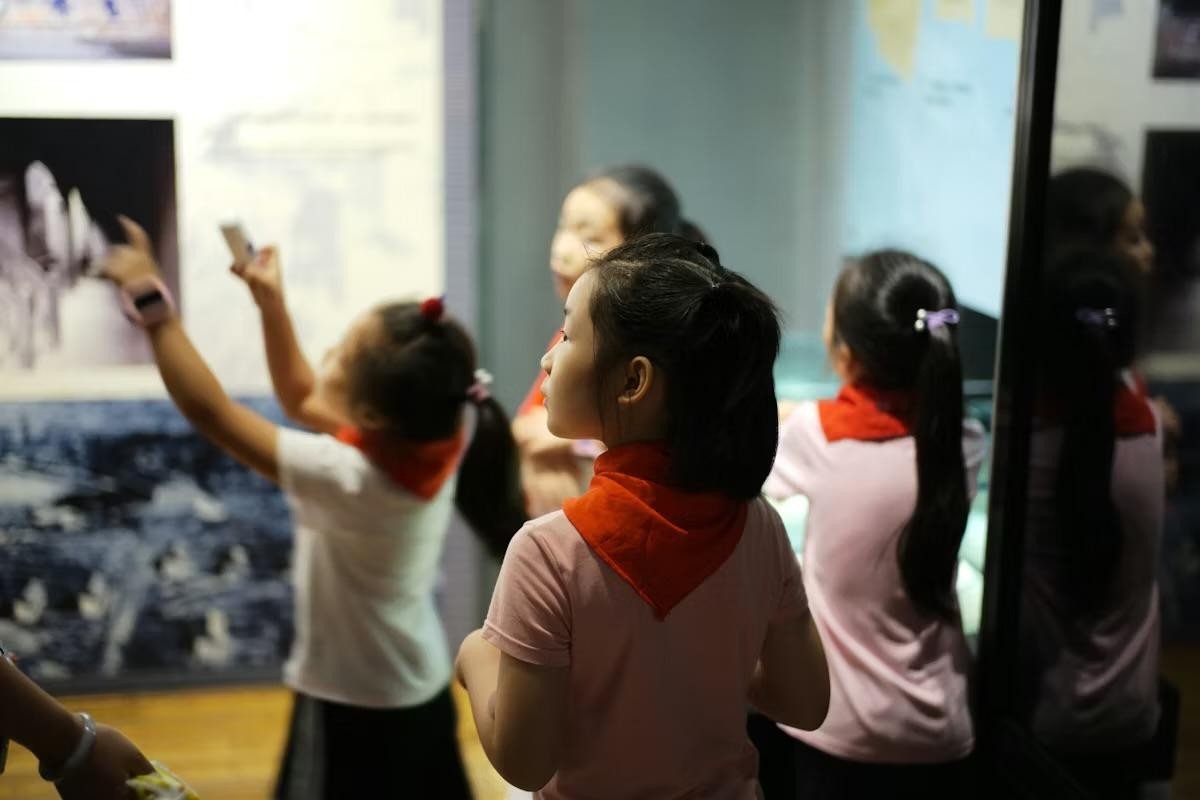
Cultural literacy is an essential skill that helps children understand, respect, and appreciate differences in people, traditions, and ways of life. Teaching cultural literacy at a young age lays the foundation for empathy, open-mindedness, and effective communication in an increasingly diverse world. For young kids, learning about cultures should be engaging, simple, and age-appropriate.
Below are five practical and effective tips to help parents teach cultural literacy to their young children in meaningful ways.
1. Introduce Cultural Concepts Through Everyday Activities
Young children learn best through daily experiences. Simple activities like cooking meals from different cultures, listening to music in various languages, or celebrating international holidays at home can introduce cultural awareness naturally. These experiences help children understand that people around the world may eat different foods, speak different languages, or celebrate in unique ways.
By integrating cultural learning into everyday life, children absorb these ideas without feeling overwhelmed or confused.
2. Use Original Cartoon Characters to Represent Cultural Diversity
Using original cartoon characters is a powerful way to teach cultural literacy to young kids. Thoughtfully created cartoon characters can reflect different cultures, traditions, clothing styles, and family structures in a relatable and friendly way. Original characters avoid harmful stereotypes and allow children to connect emotionally with diverse identities.
When kids see characters who look or live differently yet share common emotions and values, they begin to understand that cultural diversity is normal, positive, and worth celebrating.
3. Read Diverse Books and Tell Inclusive Stories
Storytelling plays a major role in shaping a child’s understanding of the world. Reading books that feature characters from different cultural backgrounds helps children see diversity represented positively. Stories that highlight kindness, cooperation, and shared values teach kids that differences do not create division.
Asking simple questions during or after reading—such as what the characters learned or how they helped each other—reinforces cultural understanding and critical thinking.
4. Encourage Curiosity and Open Conversations
Children are naturally curious, and their questions about differences should be welcomed rather than avoided. Encouraging open conversations allows kids to express their thoughts and learn in a safe environment. When children ask why someone dresses differently or speaks another language, parents can respond with simple, respectful explanations.
These discussions help normalize diversity and teach children that it is okay to ask questions while being kind and respectful.
5. Lead by Example Through Inclusive Behavior
Children learn cultural literacy not only through lessons but also by observing adults. Demonstrating respect, empathy, and openness toward people from different backgrounds strongly influences how kids behave.
Parents who show interest in other cultures, avoid negative language, and model inclusive behavior send powerful messages. When children see acceptance practiced daily, they are more likely to adopt those values themselves.
Conclusion
Teaching cultural literacy to young kids is about building understanding, empathy, and respect from an early age. By introducing cultural concepts through daily activities, using original cartoon characters, sharing diverse stories, encouraging open conversations, and modeling inclusive behavior, parents can make cultural learning both fun and meaningful. These early lessons help children grow into compassionate individuals who appreciate diversity and navigate the world with confidence and kindness.